Animal of the week – Black Rhino
The black or hook lipped rhino is the smaller, more aggressive and rarer of the two species of African rhino, the black rhino and the white rhino. Black rhino are a critically endangered species and there are between 2,500 and 3,000 left in the wild. In the 1970s when poaching was most popular black rhinos were hunted to the very brink of extinction but now with armed patrols in many game reserves rhinos are making a steady recovery. Black rhinos breed well in captivity and being herbivores are easy to release into the wild. Unlike white rhino that live in small family groups of 3-4 the black rhino prefers to live a solitary life. Black rhinos are browsers and often use their 1.5 tonnes of weight to knock fruit down from trees. If black rhinos feel threatened by humans on foot they can charge at speeds of 30mph despite their massive weight. Black rhinos share the same habits of many other savannah animals like wallowing in mud and carrying oxpecker birds on their back to remove fleas and ticks. Rhinos drink once a day and sometimes use their horns and back legs to dig for water underground if water is scarce above the ground.
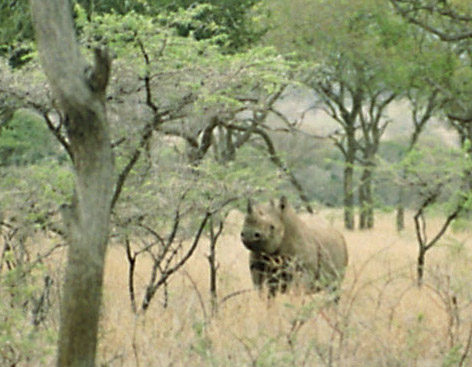
Black Rhino that mum and dad saw on their game walk in Mkuzi.
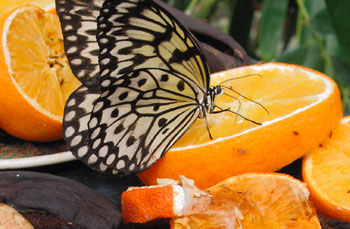 I’m working my way back through unpublished photos — highlights from our trips to the Longleat estate and Centerparcs are now in the
 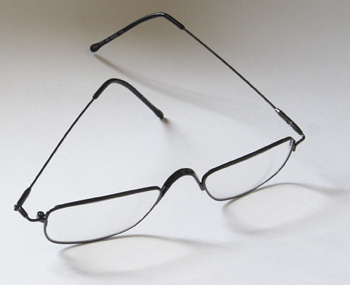 A few years back, when we took Clara for a new pair of specs, she persuaded me to get my eyes tested. She was tired of watching me squint at the small print, and, in the unselfconcious way of small children, suggested the obvious remedy. Duncan, a wise and experienced South African optician, put me through my paces. “You’ve always been a bit long-sighted” was his verdict “and as you get older that only gets worse. However I don’t think you need any help yet. Come back and see me when you’re 41 and a half. You’ll be needing glasses then.”